 onkommon.com
Local therapy
Electrochemotherapy
Brief electrical pulses that let chemotherapy enter cells it otherwise could not.
Referral & opinion only
What it is
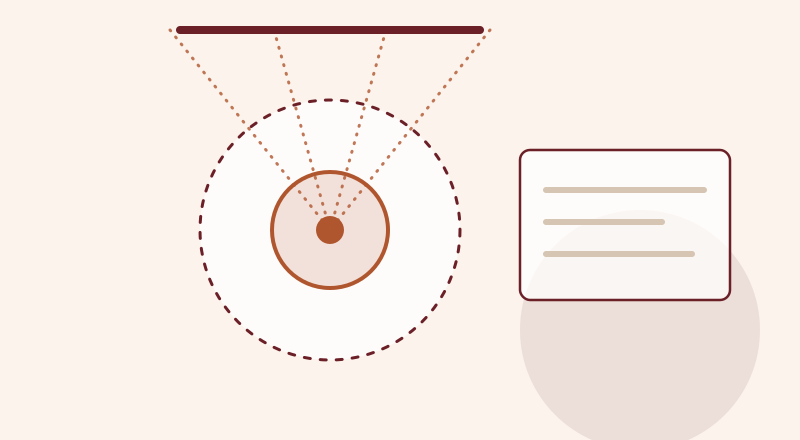
A low dose of chemotherapy is given, then short electrical pulses are applied to the tumour. The pulses briefly open the cell membranes, so the drug enters at far higher concentration inside the treated area only.
It is used for accessible tumours on or just under the skin, particularly nodules that are ulcerating, bleeding or painful, where the goal is local control and comfort.
When it is used
- Skin and subcutaneous deposits that are ulcerating, bleeding or painful
- Where surgery or radiation is not appropriate or has been exhausted
- Chest wall recurrence in breast cancer, in selected cases
How the decision is made
- Whether the lesions are accessible to the electrodes.
- What the goal is, this is usually local control and symptom relief, not cure.
- Availability, which is limited.
At a centre with the equipment, usually under sedation or anaesthesia.
Who does what
What we handle, and what happens elsewhere
KPCIRC handles
- Assessment of whether it is realistic
- Referral with a complete file
- Wound and symptom management alongside
- Honest framing of what it is intended to achieve
Performed and billed elsewhere
- The procedure
- Anaesthesia

- Ulcerating skin deposits need active wound care regardless of what treatment is planned. Ask for that now, not after the referral.
Questions to ask your own doctor
Take these with you. They work whether or not you are treated here.
- Is this for control and comfort, or is more intended?
- Where is it available?
- How many sessions?
- What wound care do I need in the meantime?
Support that goes with it
Where this is used
Cancers this commonly forms part of
Skin cancer & melanoma
Melanoma, basal cell and squamous cell carcinoma
Breast cancer
Including hormone-receptor positive, HER2-positive and triple-negative disease
Oral, head & neck cancer
Mouth, tongue, cheek, gum, throat, voice box and salivary gland cancers
Sarcoma & bone tumours
Soft-tissue sarcoma, osteosarcoma, Ewing sarcoma, GIST
Not sure this is the right option for you?
That is exactly what a second opinion is for. Bring what you have, we will tell you what is missing and what the alternatives actually are, in writing.